

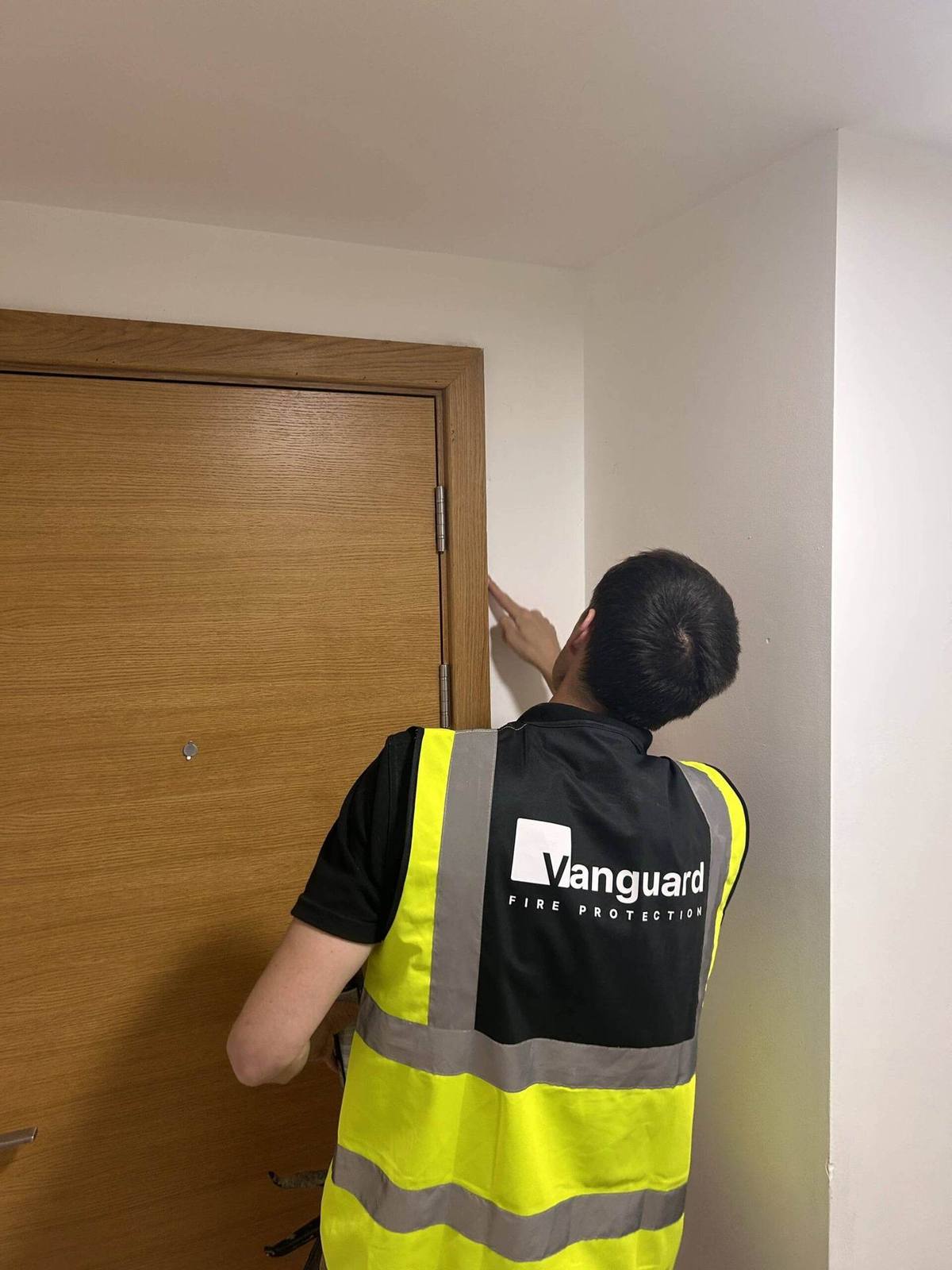
How Often Should Fire Doors Be Inspected? Your Legal Duties Explained
Communal fire doors in blocks over 11m need checking every 3 months and flat entrance doors every 12. Your legal duties explained, building by building.
Stay informed on passive fire protection, compliance, and best practices with our comprehensive blog. Explore our insights and valuable resources to help you make informed decisions about fire safety.
Communal fire doors in blocks over 11m need checking every 3 months and flat entrance doors every 12. Your legal duties explained, building by building.
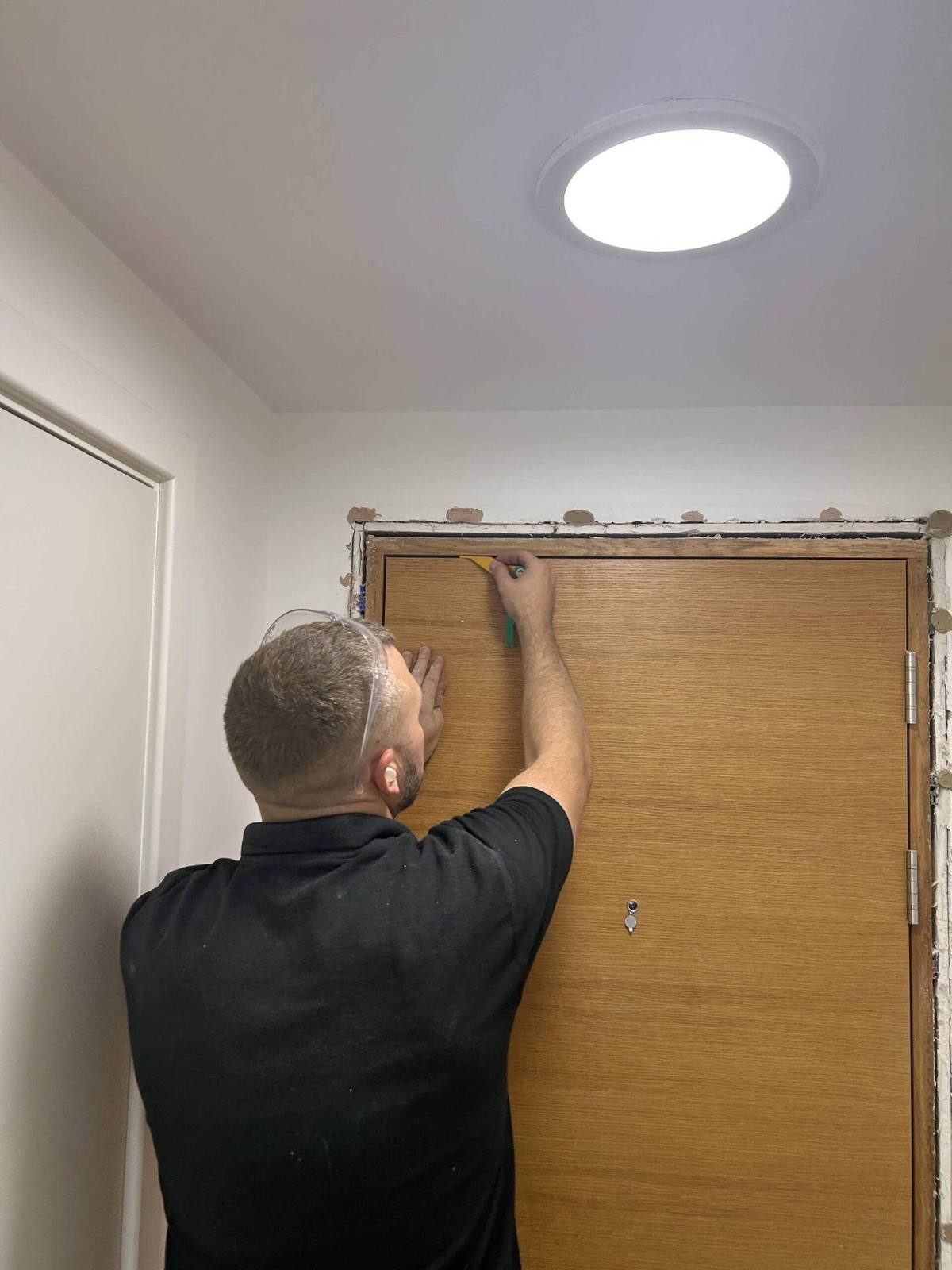
A fire doorset is a complete unit of leaf, frame, hardware and seals, tested and certified together. Learn why it matters for fire door compliance.
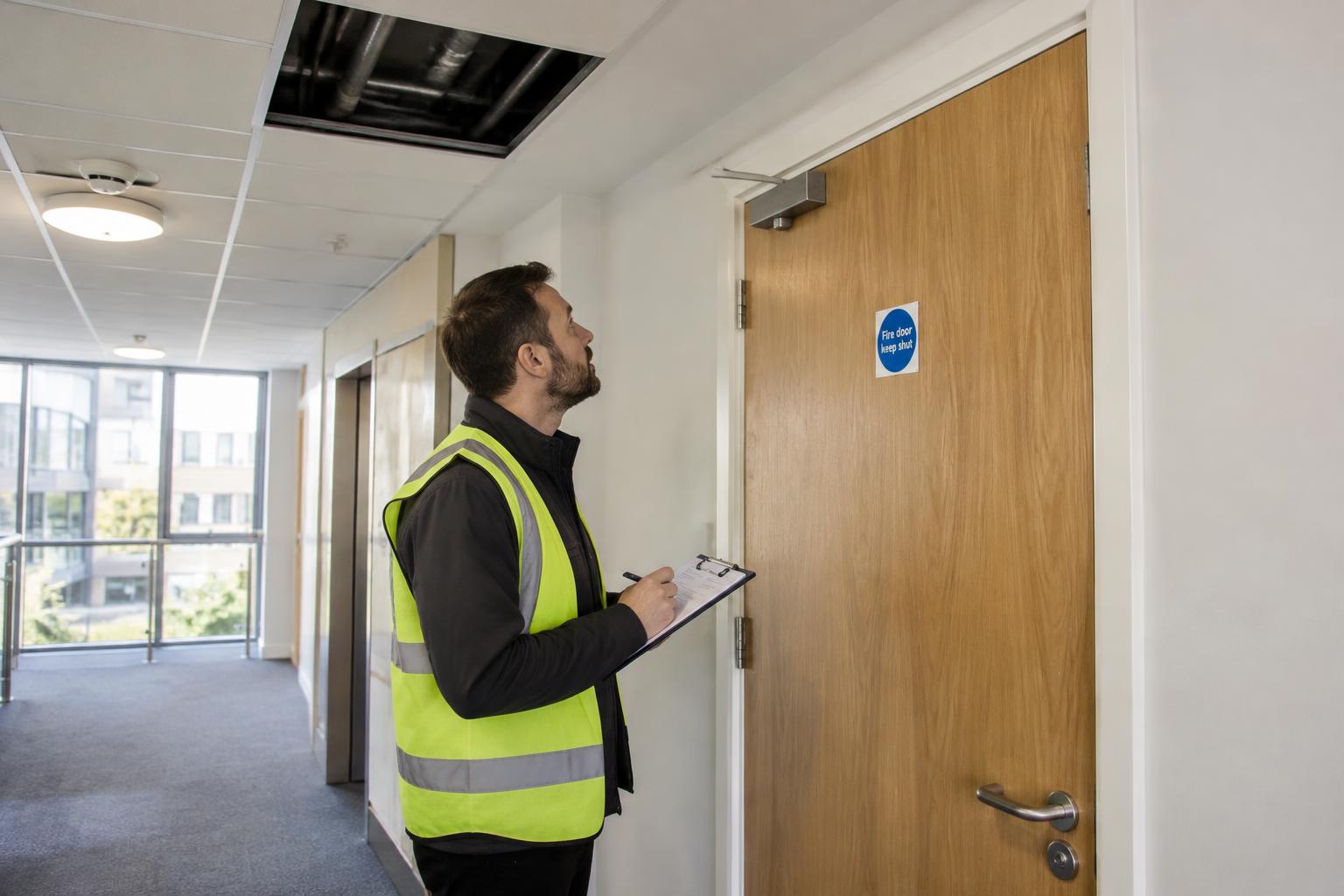
A fire door survey checks your fire doors. A fire compartmentation survey checks the walls, floors and service penetrations around them. Learn which your building needs.
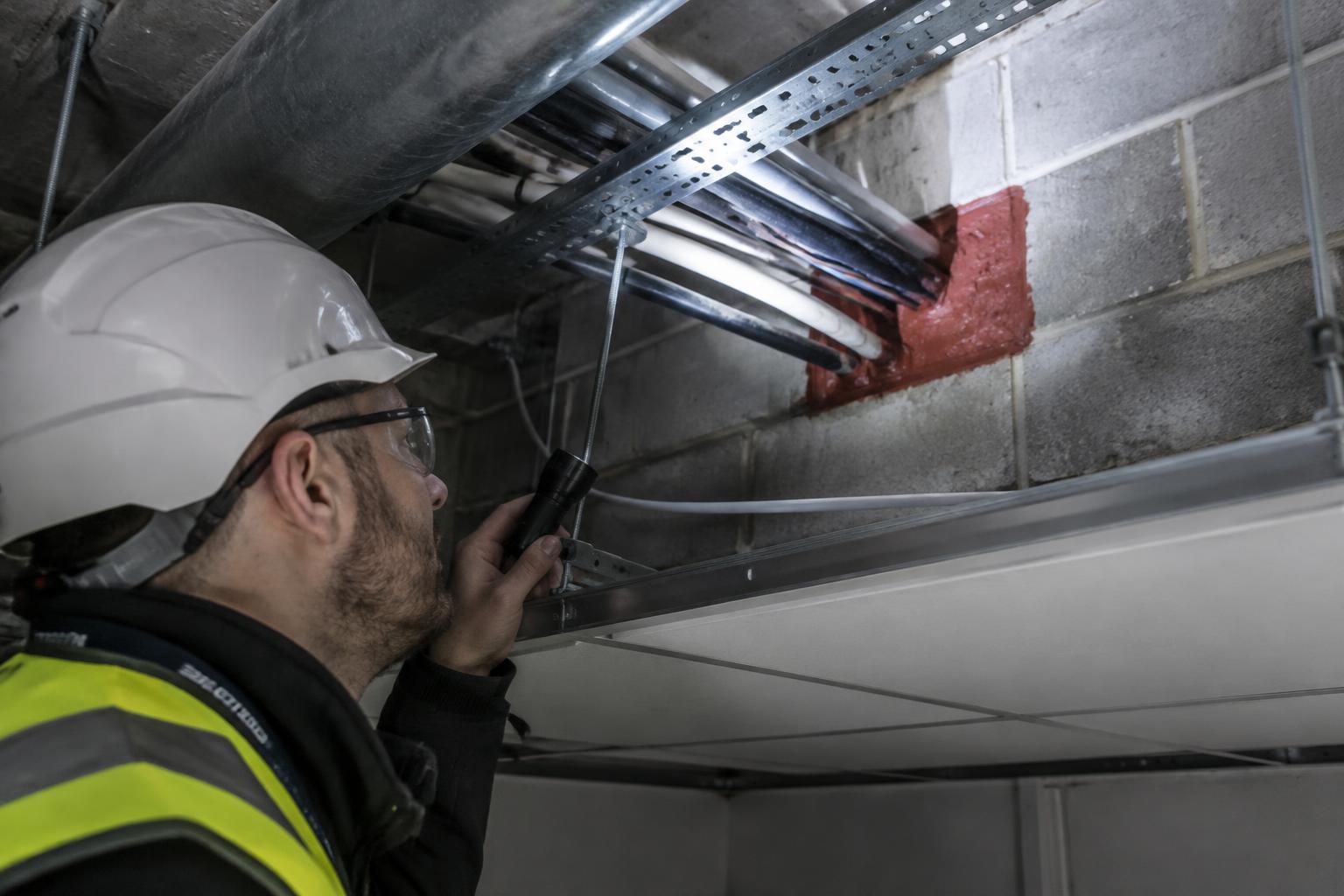
Find out what happens during a fire compartmentation survey, which areas are inspected, what defects are commonly found and what the report contains.
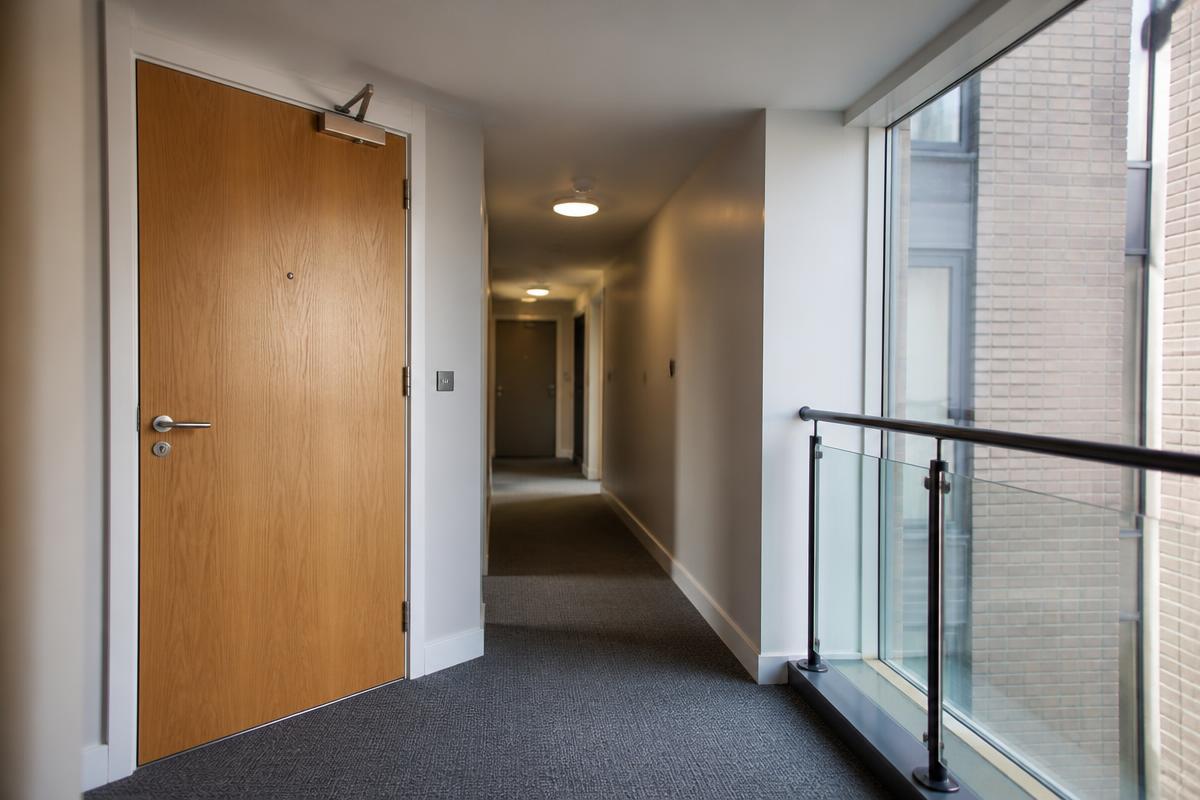
Passive fire protection (PFP) is the set of fire-resisting measures built permanently into a building’s structure and fabric that contain fire and smoke within the area where they start, protect escape routes, and maintain structural stability for a defined period.
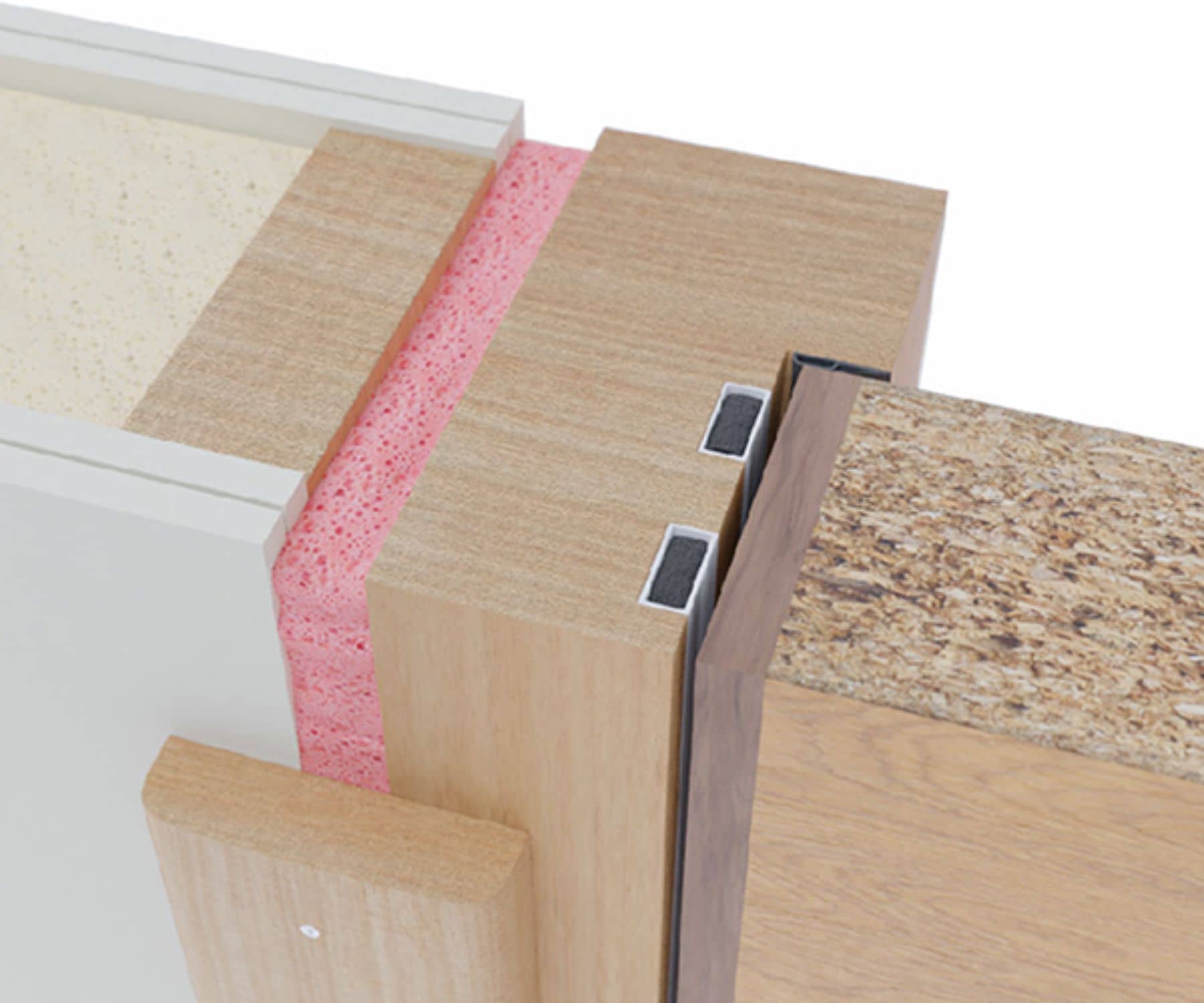
For property managers, facilities managers, and building owners, fire safety compliance is both a legal and moral responsibility. Fire doors are one of the most critical components of any building’s fire strategy, yet they’re also one of the most commonly overlooked.

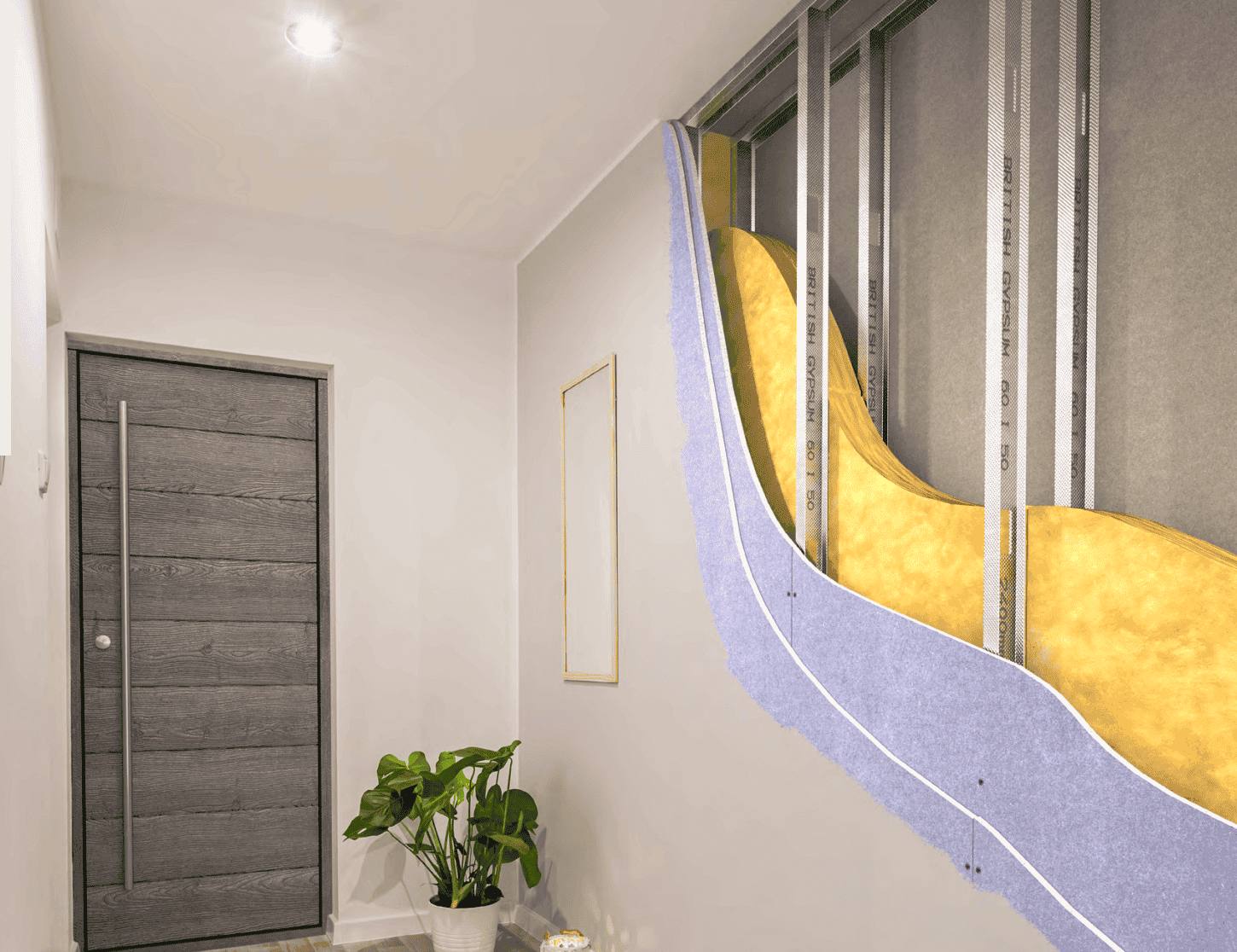
Compartmentation involves creating fire-resistant barriers such as walls, floors, ceilings, and doors within a building to contain fire and smoke. These barriers are essential for protecting escape routes, limiting property damage, and safeguarding lives.

Brighton is a vibrant coastal city with a mix of historic and modern residential blocks. Managing fire safety in these properties is a complex but essential responsibility for block managers. Fire door inspections are a critical element in protecting residents and property.

Surrey, renowned for its picturesque landscapes and affluent communities, is also home to a significant number of care homes catering to the elderly and vulnerable populations. Ensuring the safety of these residents is paramount, and fire safety plays a pivotal role in this regard.

In the world of fire protection, maintaining the highest standards of safety and compliance is not just a goal, it is an absolute necessity. The industry relies on recognised trade authorities that set the benchmark for best practice, training and certification.
Fire safety is a critical aspect of building design, construction, and management. A well-crafted fire strategy is not just a necessary component but a vital aspect of protecting lives and property.

Fire doors are an integral component of a building’s passive fire protection system. In the UK, the maintenance of fire doors is not just recommended but a legal obligation. This post explores the regulations and standards that govern them and the consequences of neglecting their upkeep.

Not all fire safety measures or assessments cover the same areas of concern. When it comes to maintaining a solid compartmentation strategy, several key evaluations are necessary, each with its distinct role.
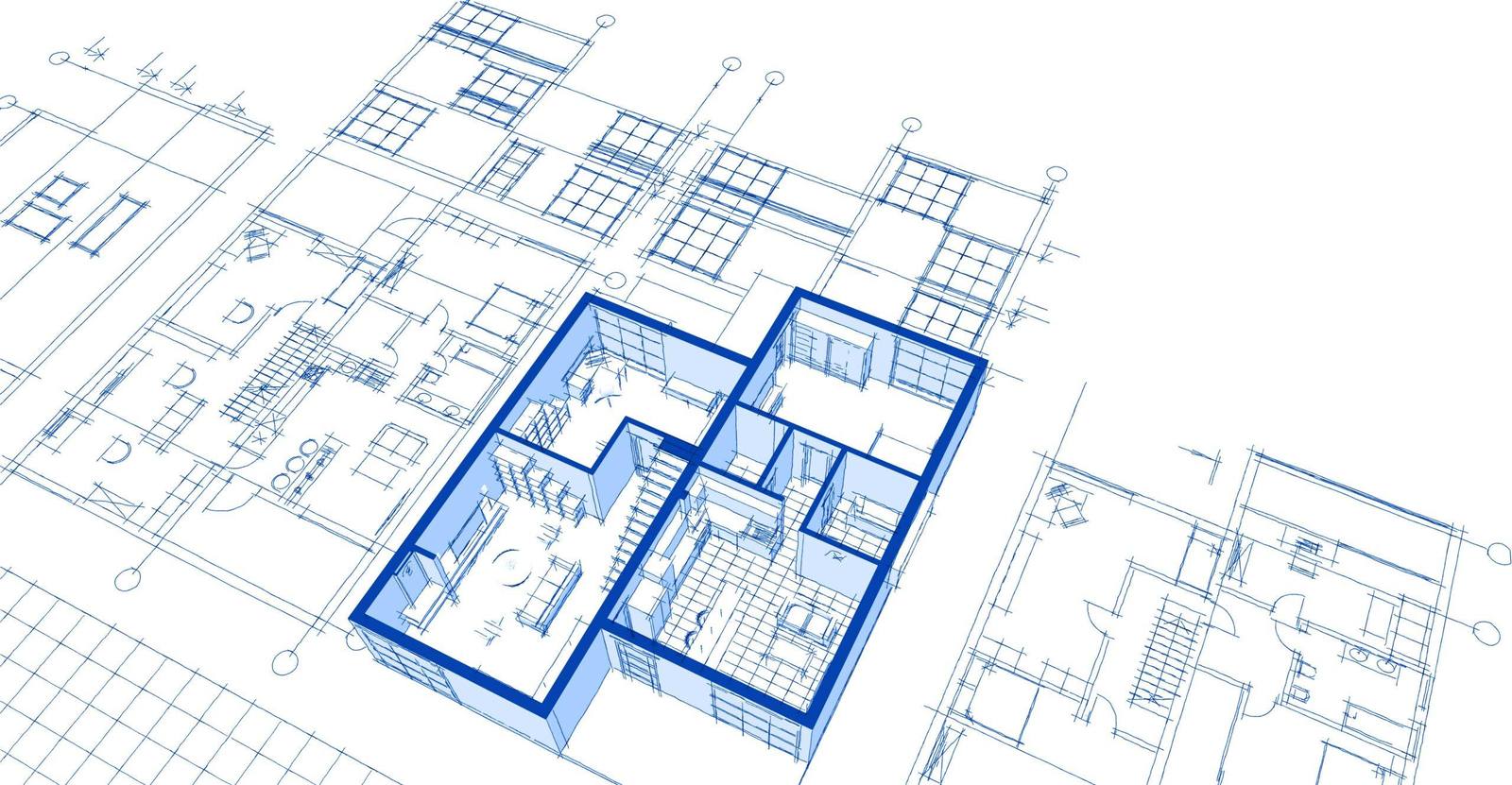
Compartmentation is a fundamental principle in fire safety, designed to prevent the spread of fire, smoke, and heat within a building. It involves dividing a building into separate sections, or compartments, which can contain a fire within a limited area for a specified period.
Operating across the South East, Vanguard Fire Protection offers a full spectrum of certified passive fire solutions, designed to protect your assets and occupants, including:
Detailed assessment of your building’s fire-resisting walls and floors to identify breaches or non-compliances that will increase the likelihood of rapid fire spread, giving your a clear understanding of what must be done to retain fire separation.
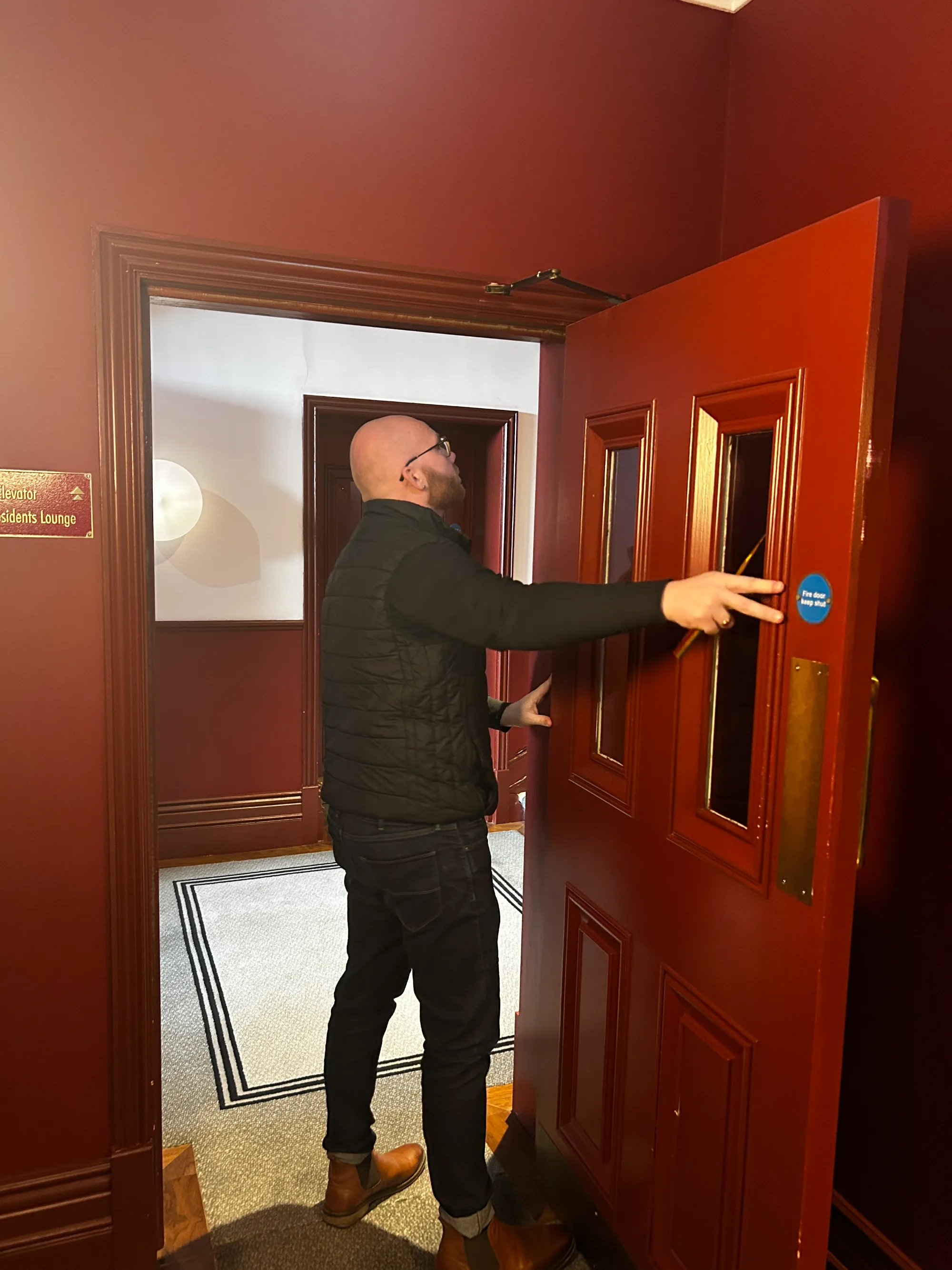
Thorough, certified inspections of your fire doors to support you in your legal duties and to keep on top of any issues affecting their functionality as fire safety equipment.
From design to sign off, our expert team will ensure every detail of your fire door installations meet the strict tested specification. Resulting in a fire door that not only holds back fire and smoke, but is in-keeping with your buildings design.
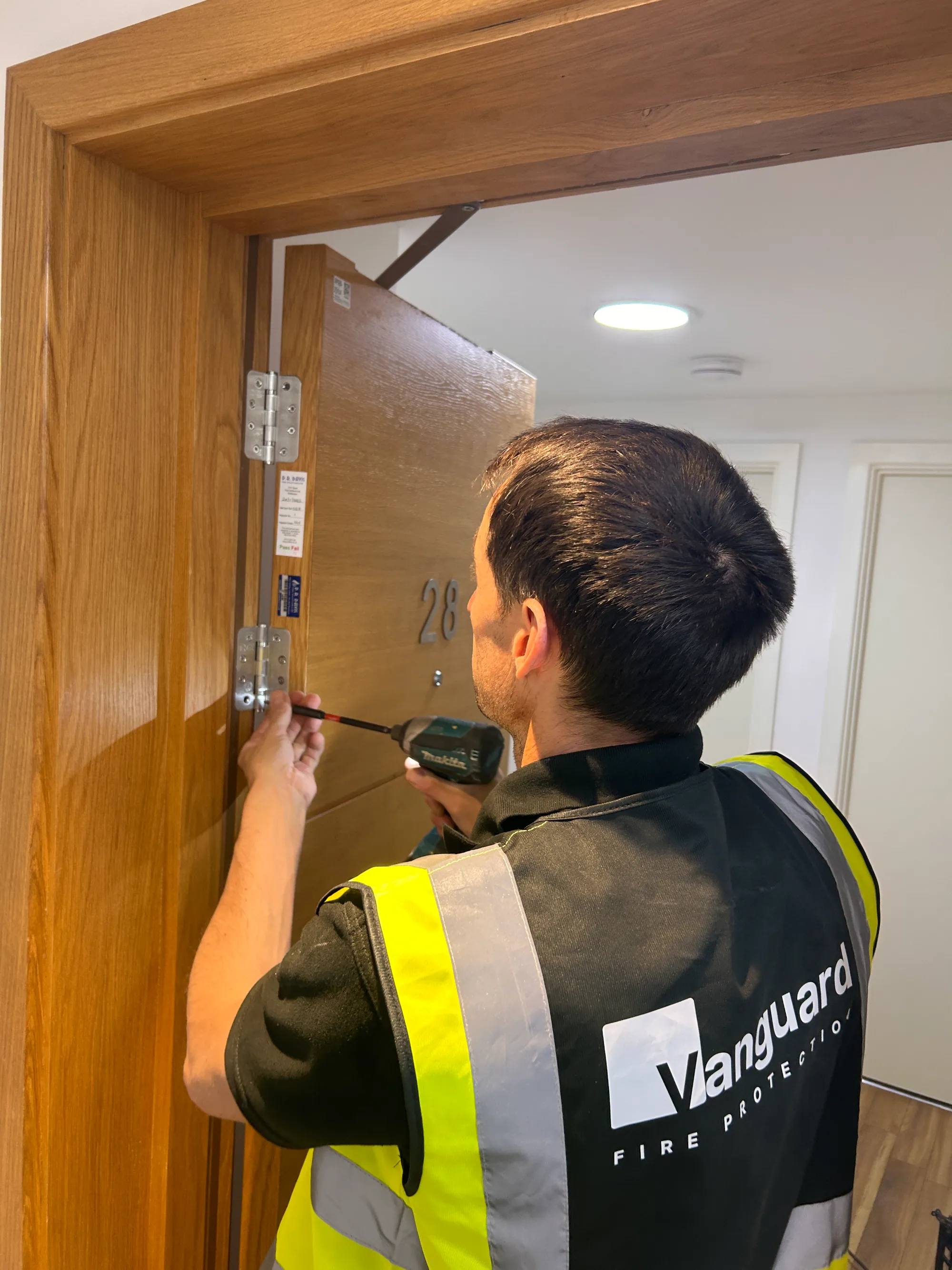
Proactive maintenance maximising your fire doors life-cycle and ensuring they are always ready to prevent the spread of fire and smoke.
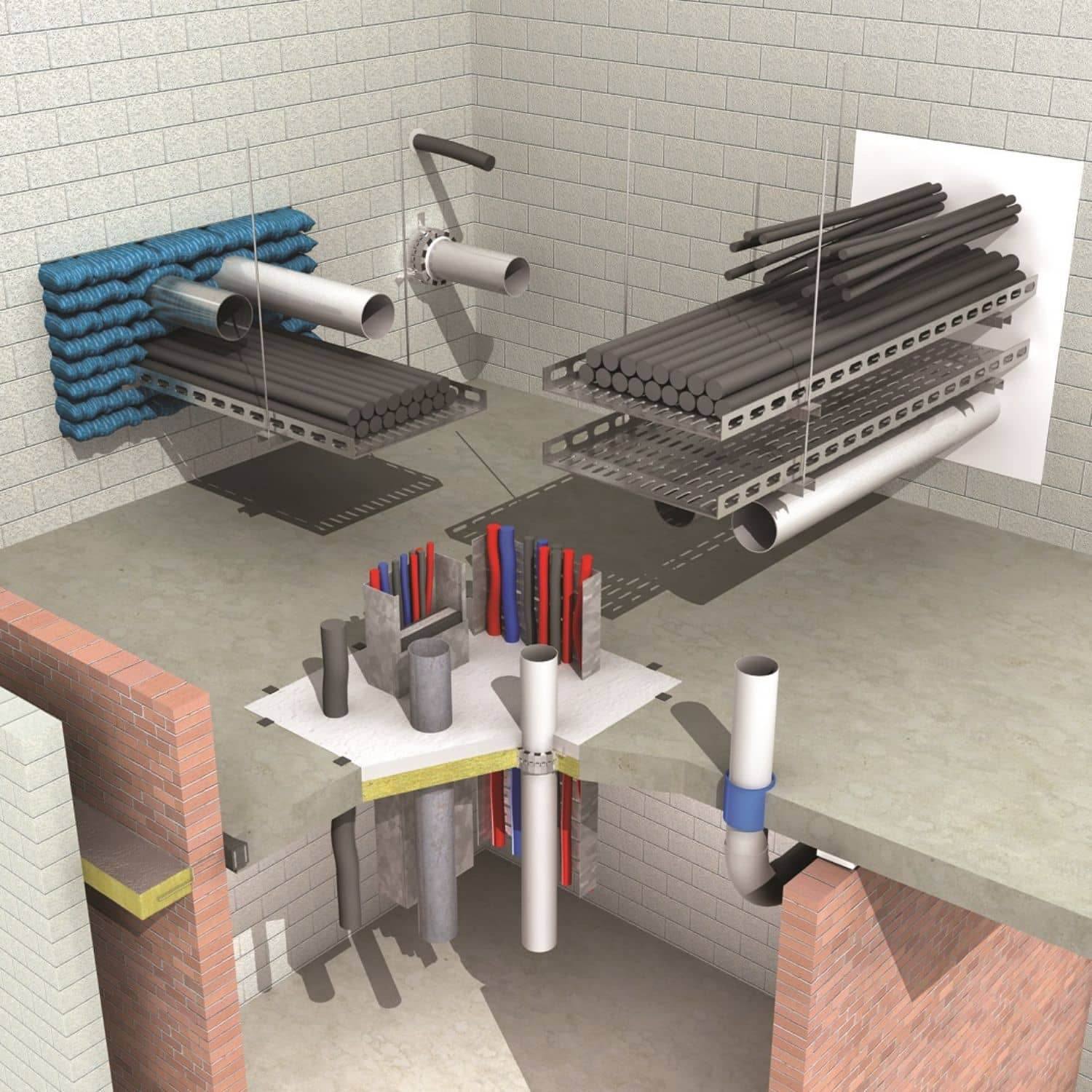
Compliant, clean firestopping applications to openings of services such as cables, pipes and ducting within fire-rated compartments to slow the spread of fire and smoke, supporting a safe escape in an emergency.